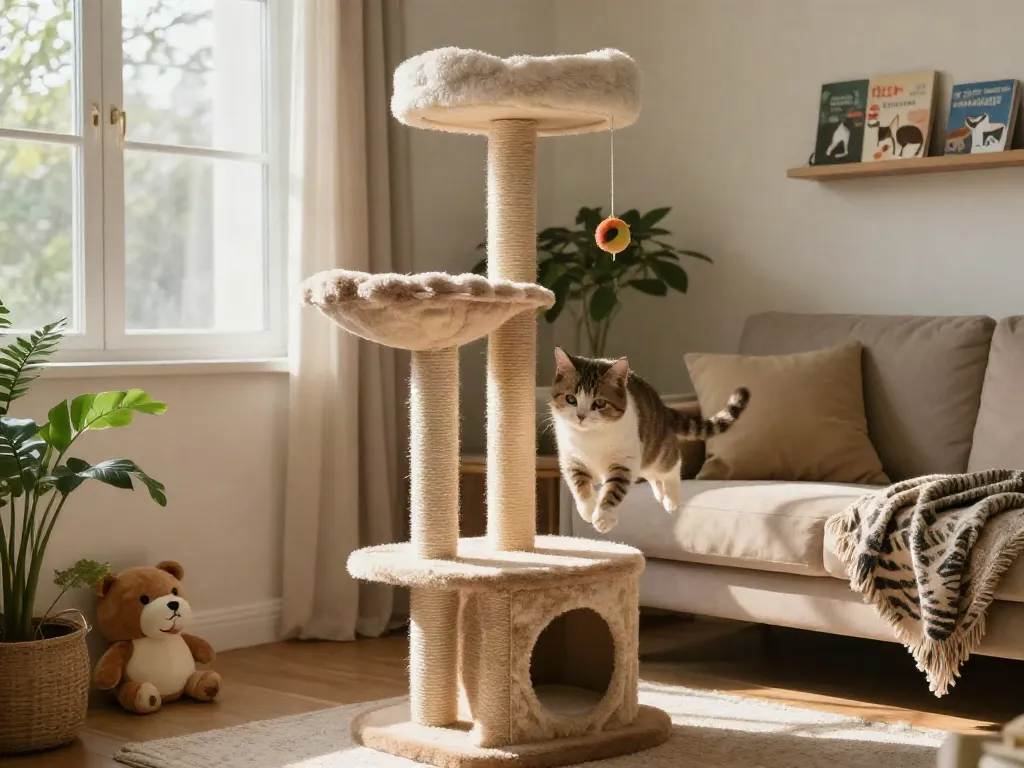
Understanding Cat Trees
For many cat owners, ensuring their feline friends have a stimulating and enjoyable environment is a top priority. One of the best investments you can make for your cat's happiness and health is a quality cat tree. These structures offer vertical space and a multitude of features that cater to your pet’s natural instincts to climb, scratch, and explore. In this comprehensive guide, we will delve into what cat trees are, their benefits, how to choose the right one, and how to maintain them properly.
What is a Cat Tree?
A cat tree, also known as a cat condo or cat tower, is a multi-level structure designed for cats to climb, perch, and relax. They come in various designs, shapes, and sizes, tailored to accommodate the playful behaviours and resting needs of cats. Typically, a cat tree includes platforms, scratching posts, hideaways, and sometimes dangling toys, making it an all-in-one playground for your furry companion.
Benefits of Having a Cat Tree
Investing in a cat tree provides numerous advantages that contribute to your cat's well-being:
- Encourages Exercise: Cat trees promote physical activity as they encourage climbing and jumping, essential for keeping your cat fit and healthy.
- Scratching Opportunities: Most cat trees are equipped with scratching posts, helping to prevent cats from scratching furniture and carpets.
- Stress Relief: Having a dedicated space for climbing and lounging can alleviate stress and anxiety in cats, making them feel more secure.
- Vertical Space Utilisation: Cats are natural climbers, and a cat tree provides them with vertical space to explore, which is crucial for their mental stimulation.
- Social Interaction: Multi-level cat trees allow multiple cats to interact, reducing territorial disputes and fostering social behaviour.
Choosing the Right Cat Tree for Your Home
When selecting a cat tree, consider the following factors to ensure it meets both your needs and your cat's preferences:
- Space: Measure the area where you plan to place the cat tree to ensure it fits comfortably without overcrowding.
- Height: Evaluate your cat’s climbing behaviour; taller trees are great for adventurous cats, while shorter options may suit timid cats better.
- Material Quality: Opt for durable materials that can withstand heavy use and ensure stability to prevent accidents.
- Features: Look for trees with various features, such as hideaways, perches, and toys to keep your cat entertained.
Key Features to Look For
Multi-Level Structures and Platforms
A well-designed cat tree should have multiple levels and platforms to provide your cat with options for climbing, jumping, and lounging. This vertical space mimics their natural environment and encourages exploration.
Durable Materials and Construction
When choosing a cat tree, it's important to consider the materials used in its construction. A sturdy frame made from quality wood or compressed board, combined with thick carpeting or fabric, ensures longevity and stability. Avoid flimsy designs as they can tip over and pose a risk to your cat's safety.
Integrated Scratching Posts and Toys
Scratch posts are an essential element of any cat tree. They help promote healthy scratching behaviour, necessary for maintaining your cat's claws and satisfying their instinctual behaviours. Additionally, some trees come with built-in toys, enticing your cat to engage in play.
Setting Up Your Cat Tree
Ideal Placement in Your Home
Finding the right spot for your cat tree is crucial to encourage usage. Ideally, place it near a window where your cat can observe outdoor activity, or in a communal area where they feel part of the household activities. Having the tree close to their favourite resting spots can also make them more inclined to use it.
Tips for Encouraging Cat Usage
To encourage your cat to use their new tree, you can try the following:
- Place treats or catnip on the platforms to attract them.
- Regularly engage with your cat using toys to draw their attention to the tree.
- Offer praise and rewards when they climb or scratch it to reinforce positive behaviour.
Combining Cat Trees with Other Pet Furniture
Integrating your cat tree with other pet furniture, such as beds, litter boxes, and feeding stations, can create a cohesive environment for your cat. Ensure there is ample space for your cat to navigate between these areas comfortably.
Caring for Your Cat Tree
Maintenance Tips for Longevity
To prolong the life of your cat tree, regular maintenance is essential. Periodically check for any loose parts or wear and tear. Tighten screws and replace damaged components as necessary to keep the structure safe for use.
Cleaning and Upkeep Considerations
Regular cleaning is vital to keep your cat tree hygienic. Vacuum the surfaces and use a pet-safe cleaner to remove stains or odours. Consider using removable covers for easier washing.
Signs It’s Time to Replace Your Cat Tree
Even the best cat trees will need replacing eventually. Keep an eye out for:
- Severe wear and tear, such as frayed scratching posts or worn platforms.
- Instability or wobbling that could lead to accidents.
- Persistent foul odours that cleaning cannot eliminate.
Future Trends in Cat Trees for 2026
Innovative Designs and Technology
As we look to the future, cat trees are becoming more innovative. Designs are emerging that incorporate smart technology, such as built-in sensors to track your cat's activity levels, or features that respond to their behaviours, enhancing the interactive experience.
Sustainability in Pet Furniture
With increasing awareness of environmental issues, many manufacturers are prioritising sustainability. Look for cat trees made from recycled or eco-friendly materials that reduce waste and promote responsible manufacturing practices.
Predictions for Cat Care Products
The pet care industry is evolving, and we anticipate a rise in the popularity of customisable cat trees. These products may allow owners to mix and match components, making it easier to create a space tailored to their specific cat's preferences and behaviours.
What features should I look for in a cat tree?
Key features to consider include sturdy construction, multiple levels, integrated scratching areas, and removable or washable covers for ease of maintenance.
How can I encourage my cat to use its tree?
Incorporate treats, toys, and engaging activities that attract your cat to the tree. Positive reinforcement can also help.
Are cat trees suitable for large breeds?
Yes, many cat trees are designed to accommodate larger breeds, but it’s essential to select one specifically rated for their size and weight.
What materials are best for cat trees?
Look for cat trees made from high-quality, durable materials like solid wood or sturdy MDF with a supportive base to ensure longevity.
How often should I clean my cat tree?
Cleaning should be done regularly, at least bi-weekly, depending on your cat’s shedding and behaviour. Regular maintenance will help keep it smelling fresh and in good condition.